Here's why:
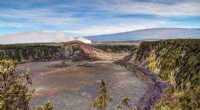
* Natural Landmarks: These are formed by natural processes like geological formations, mountains, rivers, etc. Examples include:
* Grand Canyon
* Niagara Falls
* Mount Everest
* Man-Made Landmarks: These are built by humans, like structures, monuments, etc. Examples include:
* Great Wall of China
* Eiffel Tower
* Statue of Liberty
However, there are some instances where human intervention has impacted natural landscapes, blurring the lines:
* Man-made features within natural landscapes: Think of dams creating artificial lakes, or canals carved through natural terrain. These are partly natural and partly man-made.
* Natural landscapes modified by humans: For example, many national parks have trails, roads, and visitor facilities that are man-made, but they still exist within a predominantly natural setting.
So, to answer your question, there is no definitive list of "natural man-made landmarks". Instead, you can think about landmarks that:
* Combine elements of both nature and human construction: For example, a bridge built across a spectacular natural canyon.
* Are a result of human interaction with nature: For example, a forest that has been managed for logging or a beach that has been artificially replenished.
It's important to consider the context and the relationship between human activity and the natural world when thinking about such landmarks.