Here's how the climate impacts the soil:
1. Arid Climate and Limited Precipitation:
* The Modoc bioregion receives relatively low annual precipitation, typically less than 15 inches, with most of it falling during the winter months.
* This arid climate leads to:
* Dry, low organic matter content: The limited moisture restricts the decomposition of organic matter, resulting in soils with low organic content.
* Limited leaching: The low rainfall leads to minimal leaching of nutrients from the soil profile.
* High pH: The lack of moisture can result in alkaline soils with high pH levels.
2. Cold Winters and Short Growing Seasons:
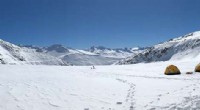
* The winters in the Modoc bioregion are cold and snowy, with frost occurring for extended periods.
* This cold climate results in:
* Limited biological activity: The low temperatures inhibit microbial activity and decomposition, contributing to the low organic matter content.
* Frost heave: The freezing and thawing of soil can cause physical disturbance, affecting soil structure.
3. High Altitude and Thin Atmosphere:
* The Modoc bioregion lies at high altitudes, ranging from 4,000 to 7,000 feet.
* This high altitude results in:
* Cold temperatures: The thin atmosphere allows for greater heat loss, contributing to cooler temperatures.
* Strong winds: The higher altitude exposes the region to strong winds, which can increase soil erosion.
4. Volcanic Origins and Unique Soil Composition:
* The Modoc bioregion is situated on volcanic terrain, which influences the soil composition.
* This volcanic origin leads to:
* Well-drained soils: The volcanic ash and cinders contribute to good drainage.
* High mineral content: The soils are rich in minerals such as potassium, calcium, and phosphorus.
* Presence of volcanic glass: The presence of volcanic glass can influence soil texture and fertility.
Overall Impact on Soil:
The combined effect of these climatic factors results in soils that are:
* Dry and low in organic matter.
* Well-drained and sandy, with a high proportion of mineral particles.
* Often alkaline with high pH levels.
* Prone to erosion due to strong winds and limited vegetative cover.
These soil characteristics have a significant impact on the types of vegetation that can thrive in the Modoc bioregion. The arid climate and nutrient-rich volcanic soils support unique plant communities adapted to these specific conditions.
It's important to note that the specific soil types within the Modoc bioregion vary depending on elevation, microclimate, and geological formations. This diverse landscape gives rise to a range of soil characteristics, making it crucial to consider specific locations when studying the impact of climate on soil within the Modoc bioregion.