Natural Landscape
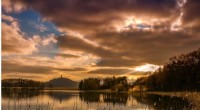
* Emphasis on the absence of human influence: This term emphasizes the features of the landscape that were formed by natural processes, such as geological activity, erosion, and plant and animal life.
* Focus on the untouched: It often refers to areas that have been minimally impacted by human activities, like pristine forests, wild deserts, or untouched coastlines.
* Subjective element: "Natural" can sometimes have a subjective element, as it can refer to landscapes that are perceived as "wild" or "untamed" compared to human-modified areas.
Physical Landscape
* Focus on the physical features: This term emphasizes the physical components of the landscape, such as mountains, rivers, valleys, soil, and vegetation.
* Broader scope: It encompasses both natural and human-modified features. For example, a physical landscape might include a river, a forest, and a city.
* Objective description: This term focuses on the objective characteristics of the landscape, without necessarily implying a lack of human impact.
Here's a simple analogy:
* Natural landscape: Think of a pristine, untouched rainforest.
* Physical landscape: Think of a map showing the mountains, rivers, and roads of a region.
In summary:
* Natural landscape emphasizes the absence of human influence and focuses on areas untouched by humans.
* Physical landscape emphasizes the physical features of the landscape, regardless of human impact.
The terms can sometimes overlap, and their specific meaning can depend on the context.