Physical Contact:
* Wind: Wind can brush against leaves, stems, and flowers, causing them to move and sway. This can trigger responses like increased stem strength or leaf shedding.
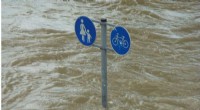
* Rain: Rain can splash against plants, washing away debris and potentially stimulating growth. Strong winds and rain can also damage plants.
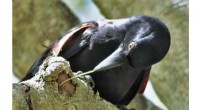
* Animals: Animals can graze on plants, step on them, or rub against them. These interactions can cause physical damage, but also spread seeds and pollen.
* Soil: Roots interact with the soil, absorbing nutrients and water. This is a kind of "touch" that is crucial for plant growth.
Environmental Stimuli:
* Light: Plants "touch" light by sensing its intensity, duration, and direction. This helps them grow towards sunlight and regulate photosynthesis.
* Temperature: Plants respond to temperature changes, adjusting their growth and metabolism based on warmth or cold.
* Chemicals: Plants can "touch" chemicals in the soil, air, or water. This allows them to detect potential threats like harmful bacteria or competition from other plants.
* Gravity: Plants "touch" gravity by growing their roots downward and their shoots upward. This response helps them access resources efficiently.
Other Interactions:
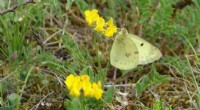
* Pollination: Pollen grains are carried by wind, insects, or other animals and "touch" the stigma of a flower, leading to fertilization.
* Seed dispersal: Seeds are "touched" by animals or wind, carrying them away from the parent plant and allowing them to establish in new locations.
So, while "touch" can be interpreted in many ways, all these interactions are important for plants to thrive and interact with their environment.