1. Essential Nutrient:
* Photosynthesis: Nitrogen is a key component of chlorophyll, the pigment that plants use to capture sunlight for photosynthesis. Without enough nitrogen, plants can't produce enough energy to grow and thrive.
* Proteins and DNA: Nitrogen is also a building block for proteins and DNA, essential molecules for all life.
2. Limited Availability:
* Nitrogen Fixation: Most nitrogen in the atmosphere is unusable by plants. It needs to be converted into a usable form through a process called nitrogen fixation, which is mainly done by specialized bacteria.
* Limited Nitrogen Fixers: Nitrogen-fixing bacteria are often limited in lakes, meaning the amount of nitrogen available for plants is also limited.
* Outflow: Lakes can lose nitrogen through outflow to rivers and oceans.
3. Impacts on the Ecosystem:
* Reduced Plant Growth: Limited nitrogen means slower plant growth, which can impact the entire food web.
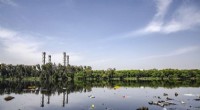
* Algal Blooms: When excess nitrogen enters a lake (from pollution, runoff, etc.), it can trigger algal blooms. While algae can initially provide food for other organisms, excessive blooms can cause oxygen depletion and lead to fish kills.
* Competition: Limited nitrogen leads to competition between different types of plants and algae for available resources. This can influence the diversity of species in the lake.
4. Managing Nitrogen Levels:
* Reducing Runoff: Controlling agricultural runoff and wastewater treatment are crucial for reducing nitrogen input into lakes.
* Monitoring: Tracking nitrogen levels helps understand the nutrient balance of the lake and allows for early intervention to prevent ecological imbalances.
In short, nitrogen is a key limiting factor in lake ecosystems because it is essential for plant growth but often scarce. Managing nitrogen levels is critical for maintaining a healthy lake environment.