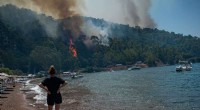
Bushfires, also known as wildfires, are a natural part of the Australian landscape. They are a complex phenomenon shaped by a unique combination of factors, including:
1. Climate and Weather:
* Hot, dry summers: Australia experiences long, hot, and dry summers, creating ideal conditions for ignition and rapid spread.
* Low humidity and strong winds: Dry air and strong winds fuel fires, accelerating their spread and intensity.
* Lightning strikes: Lightning is a common cause of bushfires, particularly in remote areas.
* El Niño-Southern Oscillation (ENSO): El Niño events are associated with drier conditions in Eastern Australia, increasing the risk of bushfires.
2. Vegetation and Landscape:
* Eucalypt forests: Australia is home to vast eucalyptus forests, which are highly flammable due to their oils and volatile compounds.
* Dry grasslands and shrublands: Dry vegetation readily ignites and burns quickly, creating fast-moving fire fronts.
* Fuel build-up: Decades of fire suppression have led to an accumulation of fuel (dead leaves, branches, etc.) increasing fire intensity.
3. Human Activities:
* Arson: Intentional fires are a significant cause of bushfires, especially in urban areas.
* Accidental fires: Fires caused by negligence, such as discarded cigarettes or unattended campfires, are also common.
* Land clearing and development: Human activities can alter landscapes and create fire hazards, such as clearing vegetation or building in fire-prone areas.
4. Fire Regimes:
* Natural fire regimes: Bushfires are a natural part of the ecosystem, playing a role in seed dispersal, nutrient cycling, and maintaining biodiversity.
* Shifting fire regimes: Human activities and climate change have altered natural fire regimes, leading to more frequent and intense fires.
Consequences of Bushfires:
* Loss of life and property: Bushfires can be devastating, causing significant loss of life, homes, infrastructure, and wildlife habitat.
* Smoke pollution: Bushfire smoke can cause respiratory problems and health issues for humans and animals.
* Soil erosion and water contamination: Burned areas are more susceptible to erosion, leading to soil degradation and water contamination.
* Economic impact: Bushfires have a significant impact on the economy, disrupting businesses, tourism, and infrastructure.
The Future of Bushfires in Australia:
Climate change is expected to exacerbate bushfire risk by increasing temperatures, reducing rainfall, and creating more extreme weather events. It is critical to adopt strategies for fire prevention, mitigation, and adaptation to address the growing threat of bushfires in Australia.
Understanding the nature of bushfires in Australia is crucial for managing their risk and protecting lives, property, and the environment.