Living Things:
* Organized: Living things are made up of cells, the basic units of life. These cells are highly organized and work together to create tissues, organs, and systems.
* Metabolism: They carry out chemical reactions to obtain energy and nutrients, build and repair tissues, and eliminate waste.
* Growth: Living things increase in size and complexity over time.
* Reproduction: They produce offspring, passing on their genetic material to the next generation.
* Adaptation: Living things evolve and change over time in response to their environment.
* Respond to Stimuli: They react to changes in their surroundings, such as light, temperature, or touch.
* Homeostasis: They maintain a stable internal environment, despite external changes.
Non-Living Things:
* Lack of Cellular Organization: Non-living things do not have cells. They may be composed of molecules, but they lack the complexity and organization of living cells.
* No Metabolism: They do not carry out chemical reactions for energy or growth.
* No Reproduction: They cannot reproduce themselves.
* No Adaptation: They do not evolve or change over time.
* No Response to Stimuli: They do not react to their environment.
* No Homeostasis: They do not maintain a stable internal environment.
Key Points:
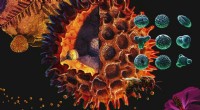
* The "gray areas": There are some things that blur the lines between living and non-living. For example, viruses are complex structures but lack many of the characteristics of living things.
* The definition of "life" is complex: There's no single, universally agreed-upon definition of what constitutes "life."
In Summary: Living things are characterized by their ability to grow, reproduce, adapt, respond to stimuli, and maintain a stable internal environment. These functions are made possible by the complex cellular organization and metabolism that are unique to living organisms.