1. Habitat Destruction:
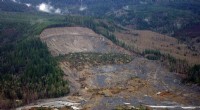
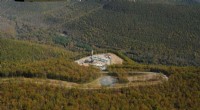
* Direct Removal: Quarrying directly removes the soil and vegetation from the quarried area, destroying the habitat of plants. This includes trees, shrubs, grasses, and other ground cover.
* Fragmentation: Quarrying can fragment larger habitats, isolating plant populations and reducing their ability to disperse and reproduce. This can lead to decreased genetic diversity and increased vulnerability to disease or environmental change.
2. Soil Degradation and Contamination:
* Soil Removal: The removal of topsoil during quarrying exposes the underlying bedrock, disrupting the natural nutrient cycles and soil structure that plants rely on.
* Pollution: Quarrying activities can release pollutants into the soil, including dust, heavy metals, and chemicals, which can be toxic to plants. This can hinder growth, reduce yields, and even lead to plant death.
* Erosion: Quarrying can increase soil erosion, leading to the loss of fertile topsoil and the degradation of plant communities.
3. Water Quality Impacts:
* Runoff: Runoff from quarried areas can carry pollutants and sediment into nearby waterways, harming aquatic plants and disrupting their ecosystems.
* Groundwater Contamination: Quarrying can contaminate groundwater through the infiltration of pollutants, reducing water quality and affecting the health of plants relying on this water source.
4. Disturbance and Stress:
* Noise and Vibration: The noise and vibration from quarrying equipment can cause stress to plants, affecting their growth and development.
* Light Pollution: Quarrying can alter light patterns, especially during nighttime operations, impacting plant growth cycles and natural processes.
5. Biodiversity Loss:
* Habitat Loss: The destruction of plant habitats through quarrying leads to a decline in plant species diversity.
* Loss of Endangered Species: Some plants are endemic to specific areas, and quarrying can wipe out their populations, contributing to their endangerment or extinction.
Mitigation Strategies:
Despite the negative impacts, some strategies can be implemented to mitigate the damage to plants during and after quarrying:
* Habitat Restoration: Restoring disturbed areas with native plant species can help re-establish plant communities and provide habitat for wildlife.
* Best Management Practices: Implementing environmentally friendly practices, such as minimizing dust and noise pollution, controlling runoff, and revegetating disturbed areas, can reduce the impact on plants.
* Biodiversity Conservation: Protecting areas with high plant diversity and preserving endangered plant species is crucial for long-term ecological balance.
In conclusion, quarrying has significant and often detrimental effects on plants, impacting their habitats, soil quality, water resources, and overall biodiversity. While the need for quarried materials exists, careful planning and implementation of mitigation strategies are essential to minimize the damage to plant communities and preserve the delicate balance of our ecosystems.