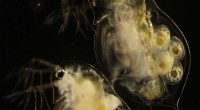
Here are some examples of unicellular organisms found everywhere on Earth:
Harmful:
* Bacteria: Some bacteria cause diseases like pneumonia, tuberculosis, and food poisoning.
* Protozoa: Some protozoa, like Plasmodium, cause malaria.
* Fungi: Some fungi cause athlete's foot and yeast infections.
Helpful:
* Bacteria: Many bacteria are essential for decomposition, nutrient cycling, and digestion in animals. They are also used in the production of cheese, yogurt, and antibiotics.
* Algae: Algae are responsible for a significant portion of the Earth's oxygen production through photosynthesis. They are also a food source for many aquatic animals.
* Yeast: Yeast is used in the production of bread, beer, and wine.
It's important to remember that the vast majority of microorganisms are not harmful to humans. In fact, many are essential for our health and well-being.
Here are some other examples of unicellular organisms:
* Cyanobacteria: These bacteria are photosynthetic and play a vital role in oxygen production.
* Diatoms: These algae are a major component of phytoplankton, which form the base of many marine food webs.
* Amoebas: These protozoa are found in soil and water and are important for nutrient cycling.
Overall, unicellular organisms are incredibly diverse and play a crucial role in the Earth's ecosystems. While some can be harmful, many are essential for life and contribute to the planet's health and balance.