1. Loss of Fertility:
* Nutrient depletion: Soil contains vital nutrients for plant growth. Erosion carries these nutrients away, leaving the soil infertile and unable to support healthy plant life. This reduces the productivity of ecosystems and can lead to food shortages.
* Loss of organic matter: Organic matter in soil helps retain moisture, improves soil structure, and provides food for microorganisms. Erosion removes this crucial component, leaving the soil more susceptible to compaction and waterlogging.
2. Degradation of Habitat:
* Loss of vegetation: Soil erosion leads to the loss of vegetation, which provides essential habitat for animals and insects. This can disrupt food chains and lead to biodiversity loss.
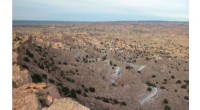
* Habitat fragmentation: Erosion can carve out gullies and channels, fragmenting habitats and making it difficult for animals to move between areas.
3. Water Pollution:
* Sedimentation: Eroded soil particles enter waterways, increasing turbidity (cloudiness). This blocks sunlight, harming aquatic plants and reducing dissolved oxygen levels, which can suffocate fish and other organisms.
* Nutrient runoff: Eroded soil carries excess nutrients like nitrogen and phosphorus into waterways, leading to algal blooms that can deplete oxygen and create dead zones.
4. Flooding and Landslides:
* Increased runoff: Erosion reduces the soil's ability to absorb water, increasing surface runoff and contributing to floods.
* Slope instability: Eroded soil is less stable, making slopes more vulnerable to landslides, which can damage infrastructure and threaten human lives.
5. Economic Impacts:
* Reduced agricultural productivity: Erosion leads to lower crop yields, impacting food security and agricultural economies.
* Increased infrastructure costs: Erosion can damage roads, bridges, and other infrastructure, requiring costly repairs.
Solutions to Soil Erosion:
* Sustainable farming practices: No-till farming, cover cropping, and contour plowing help reduce erosion.
* Reforestation and afforestation: Planting trees and shrubs stabilizes the soil and prevents erosion.
* Conservation tillage: Minimizing the disturbance of soil during farming reduces erosion.
* Riparian buffers: Planting vegetation along waterways helps filter out pollutants and slow water flow, reducing erosion.
In conclusion, soil erosion is a serious environmental problem with wide-ranging consequences for ecosystems, human societies, and the planet's health. Addressing this issue requires a multi-pronged approach focusing on sustainable land management practices and conservation efforts.