1. Living Things Drive the Cycle:
* Evaporation: Plants release water vapor into the atmosphere through transpiration. Animals also release water vapor through respiration and sweating.
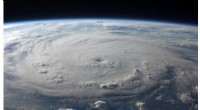
* Condensation: The water vapor released by living things helps form clouds.
* Precipitation: Rain, snow, and hail (all forms of precipitation) are essential for the survival of plants and animals.
2. Non-Living Things Shape the Cycle:
* Sun: The sun's energy drives the evaporation process.
* Gravity: Gravity pulls water down from the atmosphere as precipitation and influences water flow in rivers and streams.
* Landforms: Mountains and valleys influence rainfall patterns, while soil types and vegetation affect how much water infiltrates the ground.
3. The Cycle Provides Essential Resources:
* Water for Life: All living things need water to survive.
* Nutrient Cycling: The water cycle helps transport nutrients from the land to the oceans and back again.
Example:
Imagine a raindrop falling on a tree. The tree absorbs the water through its roots. This water is then used for photosynthesis and growth. The tree releases some of the water back into the atmosphere through transpiration. The water vapor rises, cools, condenses into clouds, and falls as rain again, potentially on a different part of the land.
In Conclusion:
The water cycle is a dynamic process that constantly connects living and non-living components of the Earth. It's a reminder of how deeply intertwined our planet's systems are and how crucial it is to preserve this vital resource.