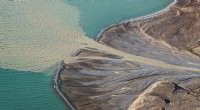
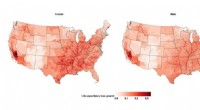
Natural Regions:
* Defined by physical features: These regions are primarily shaped by natural elements such as climate, landforms, vegetation, and soil.
* Objective and measurable: Boundaries are based on quantifiable data and can be identified through scientific analysis.
* Examples: Tropical rainforests, deserts, grasslands, mountain ranges, coastal areas.
Human Regions:
* Defined by cultural and economic factors: These regions are shaped by human activities, beliefs, practices, and interactions.
* Subjective and fluid: Boundaries are often less precise and can change over time due to social, economic, and political shifts.
* Examples: Urban areas, agricultural regions, cultural areas (e.g., Chinatown, Little Italy), political regions (e.g., states, provinces).
Here's a table summarizing the key differences:
| Feature | Natural Region | Human Region |
|---|---|---|
| Defining Characteristics | Physical features (climate, landforms, vegetation, soil) | Cultural and economic factors (language, religion, customs, industry, trade) |
| Boundaries | Objective and measurable | Subjective and fluid |
| Examples | Tropical rainforests, deserts, grasslands, mountain ranges, coastal areas | Urban areas, agricultural regions, cultural areas, political regions |
It's important to note that:
* Natural regions can influence human regions: For example, the availability of water resources may shape agricultural practices in a region.
* Human activities can impact natural regions: For example, deforestation can alter the climate and vegetation of a region.
The distinction between natural and human regions isn't always clear-cut, as they often interact and influence each other. However, understanding the differences helps us appreciate the complexity of our planet and how human societies are intertwined with the natural environment.