Natural regions are large areas of the Earth's surface characterized by distinct combinations of physical, biological, and human factors. These factors interact and influence each other, creating a unique and interconnected system within each region. Here's a breakdown of the key factors:
1. Physical Factors:
* Climate: Temperature, precipitation, humidity, wind patterns, and solar radiation define the climate of a region. They directly impact vegetation, soil formation, and animal life.
* Landforms: Topography, including elevation, slope, and aspect, influence drainage patterns, microclimates, and the distribution of resources.
* Geology: Rock types, soil composition, and geological formations affect the availability of water, nutrients, and minerals, shaping the region's biodiversity and resource potential.
* Hydrology: The presence and distribution of water resources, including rivers, lakes, and groundwater, significantly affect vegetation, agriculture, and human settlement patterns.
2. Biological Factors:
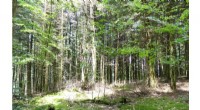
* Vegetation: The dominant plant life, including forests, grasslands, deserts, and tundra, reflects the prevailing climate and soil conditions. It provides habitat, food sources, and regulates ecosystems.
* Wildlife: The animal species present in a region are influenced by habitat, food availability, and the presence of predators. They play vital roles in pollination, seed dispersal, and maintaining ecological balance.
* Biodiversity: The variety and abundance of life forms in a natural region contribute to its resilience, ecosystem services, and potential for resource utilization.
3. Human Factors:
* Population density: The number of people inhabiting a region affects resource use, environmental pressures, and the development of infrastructure.
* Cultural practices: Traditional knowledge, land use practices, and social norms can influence the conservation or degradation of natural resources.
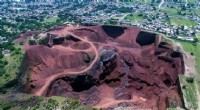
* Economic activities: Agriculture, forestry, mining, and industrial development impact ecosystems through resource extraction, pollution, and habitat alteration.
* Infrastructure development: Roads, dams, and urban expansion alter natural landscapes, fragment habitats, and influence resource flows.
Interconnections and Dynamics:
It's crucial to understand that these factors are interconnected and constantly interacting. Changes in one factor can cascade through the system, influencing other factors and ultimately shaping the character of the natural region. For instance, climate change can alter vegetation patterns, leading to habitat loss for wildlife and impacting human livelihoods.
Examples:
* Tropical rainforests: High rainfall, diverse plant and animal life, and abundant biodiversity are defining characteristics.
* Deserts: Arid climate, sparse vegetation, and specialized adaptations among wildlife are key features.
* Temperate forests: Moderate climate, deciduous trees, and a rich mix of plant and animal life are typical traits.
* Arctic tundra: Cold climate, low-lying vegetation, and unique adaptations to harsh conditions define this region.
Conclusion:
By understanding the complex interplay of physical, biological, and human factors, we can better appreciate the uniqueness of each natural region and develop sustainable management strategies for their conservation and responsible utilization.