1. Access to Resources:
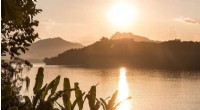
* Water: People tend to settle near sources of fresh water, like rivers, lakes, and springs. This ensures access to drinking water, irrigation for agriculture, and transportation.
* Fertile Land: Areas with rich soil are ideal for agriculture, supporting large populations.
* Natural Resources: The presence of resources like minerals, timber, and energy sources can attract industries and settlements.
2. Climate and Weather:
* Temperature and Rainfall: People prefer areas with moderate temperatures and sufficient rainfall for agriculture and comfortable living.
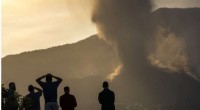
* Extreme Weather Events: Areas prone to hurricanes, earthquakes, or floods can deter settlement due to potential hazards.
3. Topography:
* Elevation: Higher elevations are often cooler and receive more rainfall, but can be challenging for agriculture and transportation.
* Slope: Gentle slopes are ideal for farming and construction, while steep slopes can be difficult to develop.
* Mountains and Valleys: Mountains can act as barriers to movement and create microclimates within valleys.
4. Accessibility:
* Transportation: Areas with good transportation networks, such as roads, rivers, and railroads, are more accessible and attract settlement.
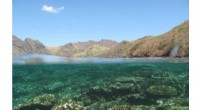
* Coastal Areas: Coastal areas provide access to fishing, trade, and transportation by sea, making them desirable locations.
Examples:
* River Valleys: The Nile River Valley in Egypt has supported a thriving civilization for thousands of years due to its fertile soil and reliable water supply.
* Coastal Cities: New York City and Tokyo are major urban centers located on coastlines, benefiting from trade and transportation opportunities.
* Mountainous Regions: The Andes Mountains in South America provide a unique environment for diverse ecosystems and indigenous cultures.
Challenges and Adaptations:
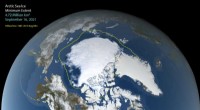
* Extreme Environments: People have adapted to living in harsh environments like deserts, tundras, and high-altitude regions, developing unique strategies for survival.
* Environmental Degradation: Human activities can degrade physical features, leading to problems like soil erosion, deforestation, and pollution.
In conclusion, physical features have a profound influence on where people choose to live, shaping patterns of settlement, economic development, and cultural diversity. Understanding these relationships is essential for sustainable development and responsible management of our planet.