Temperature:
* Generally mild: Wetlands are known for having moderate temperatures, rarely experiencing extreme highs or lows.
* Higher humidity: Due to the abundance of water, humidity levels are typically high, which can make it feel hotter than the actual temperature.
Precipitation:
* High precipitation: Wetlands are constantly wet, receiving a lot of rainfall, snow, or other forms of precipitation.
* Seasonal variation: While precipitation is generally high, there can be seasonal variation, with some periods being wetter than others.
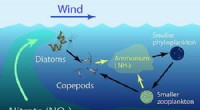
Wind:
* Variable: Wind patterns can vary depending on the specific location of the wetland. Some wetlands are more exposed to wind than others.
* Local effects: Water bodies can create microclimates with localized wind patterns.
Sunlight:
* Variable: Sunlight can vary depending on the density of vegetation and the time of day.
* Shaded conditions: Some wetlands have dense vegetation that can block sunlight.
Other factors:
* Fog: Due to the high humidity, fog can be common, especially in the mornings and evenings.
* Evaporation: High evaporation rates can occur due to the abundant water and warm temperatures.
* Seasonal variation: Wetland weather can change significantly throughout the year, with different seasons influencing temperature, precipitation, and wind patterns.
In short: Wetlands have a humid, mild climate with high precipitation. The specific weather conditions can vary depending on the location, time of year, and vegetation.