Living Things:
* Organisms: Living things are known as organisms. They are made up of one or more cells, the basic units of life.
* Characteristics of Life: Living things share a set of characteristics that differentiate them from non-living things:
* Organization: They are composed of cells and have a complex internal structure.
* Metabolism: They carry out chemical reactions to obtain energy and maintain life.
* Growth and Development: They increase in size and complexity over time.
* Reproduction: They produce offspring.
* Response to Stimuli: They react to changes in their environment.
* Adaptation: They evolve over time to better suit their surroundings.
* Homeostasis: They maintain a stable internal environment.
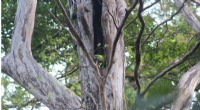
* Examples: Animals, plants, fungi, bacteria, protists.
Non-Living Things:
* Lack of Life Characteristics: Non-living things do not possess the characteristics of life. They do not have cells, metabolism, or the ability to reproduce independently.
* Inert: They are typically inert (not active) unless acted upon by an external force.
* Examples: Rocks, water, air, soil, sunlight, tables, chairs.
The Line Can Be Blurred:
While the distinction between living and non-living things is generally clear, there are some instances where the line becomes blurred. For example:
* Viruses: These are complex structures that can replicate, but they require a host cell to do so. They lack many of the characteristics of life on their own.
* Prions: These are infectious proteins that can cause disease but lack the characteristics of life.
* Artificial Intelligence: While AI systems are capable of learning and adapting, they are not considered living things.
In Conclusion:
The terms "living things" and "non-living things" are used to categorize entities based on their fundamental nature. While there are some gray areas, the distinction helps us understand the complex world around us and appreciate the unique qualities of life.