General Terms:
* Geography: This is the broadest term and encompasses all aspects of the Earth, including physical features like landforms, climate, and vegetation, as well as human-made features like cities, roads, and cultural practices.
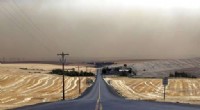
* Landscape: This refers to the visible features of an area, including both natural and human-made elements.
* Environment: This focuses on the surroundings in which organisms live, including both physical and cultural factors.
More Specific Terms:
* Geomorphology: This refers specifically to the study of landforms and their evolution.
* Human Geography: This focuses on the spatial distribution of human populations, activities, and cultures.
* Cultural Landscape: This specifically refers to the way humans have shaped and altered the physical landscape through their activities and beliefs.
* Biogeography: This is the study of the distribution of species and ecosystems across the Earth.
The best term to use depends on the specific focus of your discussion. For example, if you're talking about the physical features of a mountain range, "geomorphology" would be a good choice. But if you're talking about the impact of human settlements on a particular region, "cultural landscape" might be more appropriate.