Ecological Equilibrium
* Definition: Ecological equilibrium refers to a state where the populations of organisms in an ecosystem remain relatively stable over time. This doesn't mean that the ecosystem is unchanging, but rather that the overall balance of species and their interactions remains consistent.
* Types: There are two main types:
* Static equilibrium: A rare state where species and environmental factors remain perfectly constant, almost impossible to achieve in reality.
* Dynamic equilibrium: A more common state where populations fluctuate around a stable average, influenced by factors like seasonal changes and natural disturbances.
Ecological Succession
* Definition: Ecological succession is the process of change in the species structure of an ecological community over time. It's a directional, gradual process, often driven by the changing environmental conditions.
* Types:
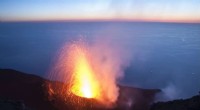
* Primary succession: Starts on bare land, like volcanic rock or glacial retreat, where no soil or previous life exists.
* Secondary succession: Occurs in areas where a previous community has been disrupted but soil remains, like after a fire or logging.
* Stages: Succession progresses through stages:
* Pioneer stage: First colonizers, often hardy species tolerant of harsh conditions.
* Intermediate stage: More complex communities develop, competition for resources increases.
* Climax community: The final, relatively stable community, usually dominated by species best adapted to the local conditions.
Relationship:
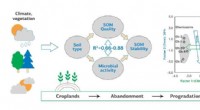
* Succession leads to equilibrium: Succession is a dynamic process that ultimately contributes to the establishment of a more stable and complex ecosystem. The climax community, often considered a state of equilibrium, represents the end point of succession.
* Equilibrium is not always the end goal: While succession often leads to a relatively stable equilibrium, it's important to remember that ecosystems are constantly changing. Disturbances, such as fire, floods, or climate change, can reset succession and shift the equilibrium point.
* Equilibrium can be dynamic: The equilibrium state is not static. The composition of species and their populations can fluctuate within a range, influenced by factors like seasonal changes and natural fluctuations.
* Equilibrium is not always desirable: Some ecosystems, like grasslands, benefit from periodic disturbances that maintain biodiversity and prevent the dominance of certain species.
In Summary:
Succession is a fundamental process driving the development of ecosystems, eventually leading to a state of relative stability and equilibrium. However, ecological equilibrium is not a static endpoint, and ecosystems are constantly adapting to changing conditions. The relationship between the two is dynamic and depends on the specific factors influencing the ecosystem in question.