Physical Adaptations:
* Thick Skin and Hide: Their tough, thick skin provides protection from insects, parasites, and the sun. The skin also helps them regulate their body temperature in hot climates.
* Webbed Feet: Their partially webbed feet allow them to move efficiently through mud and water, making them well-suited for wetland environments.
* Short, Dense Fur: This fur helps them stay warm in colder climates and provides some protection from the sun.
* Large, Powerful Build: Their muscular bodies and strong legs are well-suited for pulling heavy loads and traversing rough terrain.
* Hooves: Their hard hooves help them navigate uneven ground and provide traction on slippery surfaces.
Behavioral Adaptations:
* Mud Wallows: They wallow in mud to cool down in hot weather and protect themselves from biting insects. This mud also provides a layer of protection from the sun.
* Social Animals: Carabaos live in herds, which provides safety from predators and helps them access resources.
* Herbivorous Diet: They are well-adapted to a diet of grasses, aquatic plants, and other vegetation, which allows them to thrive in areas with limited food sources.
* Nocturnal Activity: Carabaos tend to be more active during the cooler hours of the day and rest during the hottest parts of the day.
* Strong Mother-Calf Bonds: Mothers are highly protective of their calves, ensuring their survival.
Environmental Adaptations:
* Tropical and Subtropical Climates: Carabaos thrive in humid, tropical climates and are highly tolerant of heat and humidity.
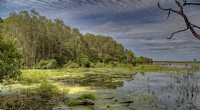
* Wetland and Swamp Habitats: They are well-suited to live in wetland areas, including swamps, rice paddies, and riverbanks.
* Grazing Animals: They are effective grazers and can utilize a variety of vegetation, including grasses, reeds, and aquatic plants.
Overall, the carabao's combination of physical, behavioral, and environmental adaptations allows them to thrive in diverse and often challenging environments. They are valuable livestock animals in many parts of the world, contributing to agriculture and food security.