Environmental Effects:
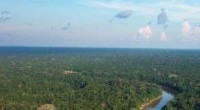
* Loss of biodiversity: Rainforests are home to a vast array of plant and animal species, many of which are endemic to these ecosystems. Deforestation destroys habitats, leading to species extinction and a decline in biodiversity.
* Soil erosion and degradation: Rainforest soils are typically thin and nutrient-poor. Deforestation exposes these soils to the elements, leading to erosion and degradation, making it difficult for trees to regenerate.
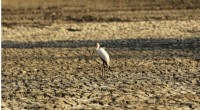
* Changes in water cycle: Rainforests play a crucial role in regulating the water cycle. Deforestation reduces rainfall and can lead to changes in the water table, impacting local water supplies and contributing to droughts.
* Increased greenhouse gas emissions: Trees absorb carbon dioxide from the atmosphere. Deforestation releases this stored carbon back into the atmosphere, contributing to climate change.
* Loss of ecosystem services: Rainforests provide a range of ecosystem services, such as air purification, water filtration, and carbon sequestration. Deforestation disrupts these services, impacting human populations and the environment.
Social Effects:
* Displacement of indigenous communities: Many indigenous communities rely on rainforests for food, shelter, and medicinal plants. Deforestation displaces these communities and can lead to conflict over land use.
* Economic hardship: Deforestation can lead to economic hardship for local communities that depend on the rainforest for livelihoods.
* Increased poverty: The loss of forest resources can lead to poverty and food insecurity.
In summary:
Deforestation has devastating impacts on rainforest ecosystems and the people who depend on them. It leads to biodiversity loss, soil degradation, changes in water cycles, increased greenhouse gas emissions, and a range of social and economic problems.
It's important to note that the effects of deforestation can be long-lasting and widespread, and the consequences extend far beyond the immediate area of forest loss.