Here's a breakdown:
* Wet Tropical Climates: These climates experience high levels of precipitation year-round, typically more than 60 inches annually. They are characterized by consistent humidity, warm temperatures, and lush vegetation.
* Dry Climates: These climates experience low levels of precipitation, generally less than 20 inches annually. They are characterized by arid conditions, high evaporation rates, and sparse vegetation.
Other factors that contribute to the differences:
* Temperature: While both types of climates can experience high temperatures, wet tropical climates tend to have less variation throughout the year compared to dry climates, which experience more extreme temperature fluctuations.
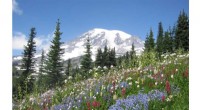
* Vegetation: Due to the high rainfall, wet tropical climates support dense rainforests and jungles. Dry climates, on the other hand, are characterized by sparse vegetation like deserts, grasslands, and scrublands.
* Soil: Wet tropical climates have fertile soils due to the abundance of organic matter from decaying vegetation. Dry climates have less fertile soils with a high salt content due to evaporation.
In summary, the amount of precipitation is the primary factor that distinguishes wet tropical climates from dry climates, leading to significant differences in vegetation, soil, and temperature patterns.