Here's why it's important:
* Physical Changes involve altering the appearance or form of matter, but not its chemical composition. This means the molecules themselves remain the same, even if their arrangement or state changes.
* Examples:
* Ice melting into water
* Cutting paper into smaller pieces
* Bending a metal rod
* Dissolving sugar in water
* Chemical Changes involve the creation of new substances with different chemical compositions. This means the molecules themselves are rearranged or broken apart, forming new molecules with different properties.
* Examples:
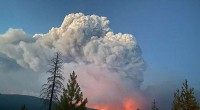
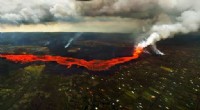
* Burning wood (forming ash, smoke, and gases)
* Baking a cake (ingredients chemically react)
* Rusting iron (iron reacts with oxygen to form iron oxide)
In essence, physical changes are temporary and reversible, while chemical changes are permanent and irreversible.