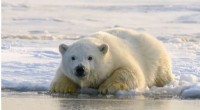
Respectful Coexistence with Nature:
* Subsistence Living: Many Alaskans engage in subsistence living, relying on hunting, fishing, and gathering for food and resources. This practice emphasizes a strong connection to the land and a deep respect for its bounty.
* Wildlife Conservation: Alaskans are acutely aware of the delicate balance of ecosystems and actively participate in wildlife conservation efforts, understanding the importance of sustainable practices to preserve the state's abundant wildlife.
* Traditional Knowledge: Indigenous cultures in Alaska have a rich history of environmental stewardship based on generations of knowledge and practices, passed down through oral traditions.
Adapting to the Environment:
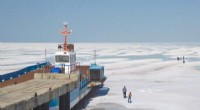
* Extreme Climate: The state's harsh climate, with long winters, sub-zero temperatures, and unpredictable weather, requires ingenuity and resilience. Alaskans have developed innovative solutions for heating homes, transporting goods, and surviving harsh conditions.
* Remote Locations: Alaska's vast distances and isolated communities necessitate unique methods of transportation and communication, relying heavily on air travel and satellite technology.
* Resource Extraction: The state's economy is heavily reliant on resource extraction, such as oil drilling, mining, and fishing. This industry brings economic opportunities but also raises complex issues related to environmental impact and sustainability.
Navigating Challenges and Opportunities:
* Climate Change: Alaska is experiencing the effects of climate change at an accelerated rate, with melting glaciers, thawing permafrost, and changes in wildlife populations. These changes present both challenges and opportunities for resource management, infrastructure development, and adaptation.
* Sustainable Development: Balancing economic growth with environmental preservation is a constant challenge. Alaskans are actively engaged in finding sustainable solutions that promote responsible development while protecting the state's natural resources.
* Cultural Identity: The unique landscape and environment play a crucial role in shaping Alaska's cultural identity. People in Alaska have developed a strong sense of place and community based on their shared experiences and interactions with the natural world.
In essence, Alaskans have developed a complex and nuanced relationship with their environment, balancing the need for resources with the responsibility of conservation and the desire to live in harmony with the natural world. This ongoing interaction continues to shape both the state's unique character and its future.