Weather and climate are complex systems influenced by a multitude of factors. Here's a breakdown of key factors:
1. Solar Radiation:
* The Sun's Energy: The sun is the primary energy source for Earth's weather and climate. The amount of solar radiation received varies depending on latitude, season, and time of day.
* Earth's Tilt: The Earth's tilt on its axis leads to uneven distribution of solar radiation, causing seasons.
2. Atmospheric Composition:
* Greenhouse Gases: Gases like carbon dioxide, methane, and nitrous oxide trap heat in the atmosphere, influencing global temperatures.
* Other Gases: Oxygen, nitrogen, and ozone play crucial roles in absorbing and reflecting radiation.
3. Ocean Currents:
* Heat Transport: Ocean currents distribute heat around the globe, influencing regional temperatures and precipitation patterns.
* El Niño-Southern Oscillation (ENSO): This periodic change in ocean currents and atmospheric pressure affects weather patterns across the globe.
4. Geography:
* Topography: Mountains and valleys influence wind patterns, precipitation, and temperature.
* Land Cover: Forests, grasslands, and urban areas have different abilities to absorb and reflect solar radiation.
* Proximity to Water: Coastal areas experience milder temperatures due to the moderating effects of water.
5. Altitude:
* Temperature Decrease: Temperature decreases with increasing altitude.
* Atmospheric Pressure: Air pressure decreases with altitude, affecting weather patterns.
6. Human Activities:
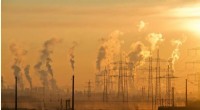
* Greenhouse Gas Emissions: Burning fossil fuels and deforestation contribute to climate change.
* Land Use Changes: Urbanization and deforestation alter the Earth's surface, influencing local climates.
* Pollution: Air pollution can influence cloud formation and precipitation.
7. Volcanic Activity:
* Ash and Gases: Volcanic eruptions release ash and gases into the atmosphere, affecting solar radiation and temperature.
8. Other Factors:
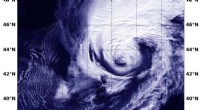
* Natural Disasters: Events like hurricanes and tornadoes can drastically alter local weather patterns.
* Solar Activity: The sun's activity, like solar flares, can influence the Earth's magnetic field and potentially affect weather patterns.
Key Differences between Weather and Climate:
* Time Scale: Weather refers to the short-term conditions of the atmosphere (days to weeks), while climate refers to long-term patterns (decades to centuries).
* Focus: Weather describes specific atmospheric conditions at a particular time and place, while climate describes general patterns of weather over an extended period.
Understanding the intricate interplay of these factors is crucial for predicting weather and climate, and for addressing climate change.