Soil: The foundation of any grassland is the soil. This rich, often deep soil is key to supporting the grasses and other plants that thrive there.
Sunlight: Grasslands need plenty of sunshine to fuel the growth of plants.
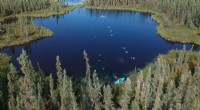
Water: While grasslands can be dry, they do need water. Rain is the main source, and some grasslands have rivers or streams running through them.
Rocks: Depending on the type of grassland, you might find rocks of various sizes, from pebbles to large boulders.
Wind: Wind plays a significant role in shaping the landscape of grasslands. It can spread seeds, create dunes, and even influence the direction of grass growth.
Air: Obviously, grasslands need air for the plants and any animals living there to breathe.
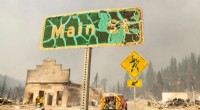
Fire: While not always present, fire is a natural part of many grassland ecosystems. It can help clear out dead vegetation and promote new growth.
Other materials: You might also find things like:
* Dead plants: This includes leaves, stems, and roots.
* Animal waste: This provides nutrients for the soil.
* Minerals: These come from the breakdown of rocks and other materials.
It's important to note that the specific non-living things present in a grassland will vary depending on the location and climate.