Physical Features:
* Soil: Grasslands have rich, fertile soil that is usually deep and well-drained.
* Rocks: Depending on the region, you might find various rocks like granite, limestone, or sandstone scattered throughout the grasslands.
* Water: Grasslands can have rivers, streams, lakes, or even temporary pools of water after rainfall.
* Sunlight: Grasslands receive plenty of sunlight, which is crucial for the growth of grasses and other plants.
* Air: The air in grasslands is generally dry, but can be humid in certain seasons.
* Temperature: Grasslands have a wide temperature range depending on the season, ranging from hot summers to cold winters.
Other Nonliving Things:
* Dust: Windblown dust is common in grasslands, especially during dry seasons.
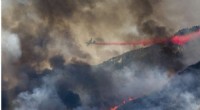
* Fire: Wildfires are a natural part of the grassland ecosystem and can play a role in shaping the vegetation.
* Dead Plants & Animals: These decompose over time, adding nutrients to the soil.
* Human-made Structures: Depending on the location, you might find fences, roads, buildings, or other human-made structures in or near grasslands.
Remember, nonliving things are those that don't have the characteristics of life, such as growth, reproduction, or the ability to respond to stimuli.