1. Geographic Location:
* Latitude: India lies between 8°4' N and 37°6' N latitude. This vast expanse covers tropical, subtropical, and temperate zones.
* Longitude: Extending over 77° E to 97° 25' E longitude, India experiences variations in climate across its eastern and western regions.
2. Topography:
* Himalayas: The towering Himalayas in the north act as a massive barrier, blocking cold winds from Central Asia and influencing rainfall patterns.
* Deccan Plateau: The plateau in the south creates a distinct dry climate with lower rainfall.
* Western Ghats: These mountains on the western coast intercept monsoon winds, leading to heavy rainfall on the windward side and a rain shadow effect on the eastern side.
3. Monsoon Winds:
* Southwest Monsoon: The seasonal wind from the Indian Ocean brings heavy rainfall to most parts of India during the summer months (June-September).
* Northeast Monsoon: This wind blows from the northeast during winter (October-December) and brings rainfall mainly to the eastern coastal regions.
4. Altitude:
* Higher altitudes: Regions like the Himalayas and the Northeastern states experience cooler temperatures and more rainfall than lower altitude areas.
* Lower altitudes: Coastal regions and the plains experience warmer temperatures and varying rainfall depending on their location.
5. Ocean Currents:
* Warm currents: The warm currents flowing along the west coast contribute to higher temperatures and humidity in those regions.
* Cold currents: The cold currents along the east coast influence lower temperatures and drier conditions.
6. Vegetation:
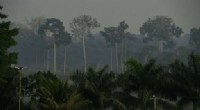
* Forests: Dense forests in areas like the Northeast and the Western Ghats contribute to higher rainfall and humidity.
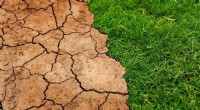
* Deserts: The Thar Desert in the west experiences hot and dry conditions due to sparse vegetation.
7. Human Impact:
* Deforestation: Deforestation can disrupt rainfall patterns and lead to changes in microclimates.
* Industrialization: Industries contribute to air pollution, affecting local climate conditions.
In summary, India's diverse climate is a complex result of its unique geographical features, monsoonal winds, altitude, and human impact. Each region has its own distinct climate characteristics, contributing to the country's diverse ecosystems and landscapes.