1. Understanding the Ecosystem:
* Thorough ecological assessments: Conduct comprehensive studies to understand the specific flora, fauna, habitats, and interactions within the reserve.
* Baseline data: Establish baseline data on species populations, habitat conditions, and ecological processes.
* Monitoring: Continuously monitor the reserve for changes in biodiversity, environmental conditions, and any potential threats.
2. Protecting Natural Processes:
* Natural disturbance regimes: Allow for natural disturbances like wildfires or floods to occur, as they are vital for ecosystem renewal.
* Habitat restoration: Reintroduce native species, remove invasive plants, and restore degraded habitats to their natural state.
* Connecting habitats: Facilitate connectivity between reserves and surrounding landscapes to allow for natural migration and genetic exchange.
3. Managing Human Impacts:
* Controlling access: Implement regulations and manage visitor numbers to minimize human disturbance and habitat degradation.
* Sustainable tourism: Promote responsible tourism activities that minimize environmental impact and contribute to conservation efforts.
* Addressing external threats: Minimize pollution, climate change impacts, and other threats originating outside the reserve boundaries.
4. Active Management Practices:
* Fire management: Control wildfires and use prescribed burns to maintain healthy ecosystems and prevent large-scale fires.
* Predator control: Implement targeted predator control programs when necessary to prevent the extinction of certain species or to manage populations.
* Species reintroductions: Reintroduce endangered species to boost populations and restore ecosystem balance.
5. Education and Outreach:
* Community involvement: Engage local communities in conservation efforts and raise awareness about the importance of nature reserves.
* Research and education: Support scientific research and educational programs to advance understanding of the reserve's ecosystems and promote conservation practices.
* Policy advocacy: Advocate for policies that protect natural resources and ensure the long-term sustainability of nature reserves.
6. Climate Change Adaptation:
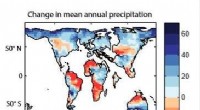
* Climate change modeling: Assess the potential impacts of climate change on the reserve and implement strategies to mitigate and adapt to these changes.
* Species relocation: Consider relocating vulnerable species to more suitable environments within the reserve or to other areas.
* Developing resilient ecosystems: Promote biodiversity and habitat diversity to increase the overall resilience of the ecosystem to climate change impacts.
Important Considerations:
* Adaptive management: Constantly review and adjust management practices based on monitoring data and changing conditions.
* Collaboration: Collaborate with other conservation organizations, government agencies, and local communities to achieve broader conservation goals.
* Long-term commitment: Maintaining nature reserves requires long-term commitment and resources to ensure their continued health and biodiversity.
By implementing these strategies, we can ensure the long-term stability and ecological integrity of our precious nature reserves, protecting biodiversity and safeguarding the natural world for future generations.