Here are some examples of pioneer species and their roles:
1. Lichens: These symbiotic organisms consisting of fungi and algae are often the first to colonize bare rock. The fungus provides structure and protection, while the algae photosynthesize, providing food for both. Lichens contribute to weathering the rock, creating pockets for soil development.
2. Mosses: These small, non-vascular plants can tolerate low light and moisture conditions. They help trap moisture, build up organic matter, and create a more favorable environment for other species.
3. Cyanobacteria: These photosynthetic bacteria can fix nitrogen from the atmosphere, making it available for other organisms. Their presence enriches the soil, paving the way for plant growth.
4. Some grasses and herbs: These hardy plants can withstand harsh conditions and have adaptations like deep roots for accessing water and nutrients. They contribute to soil stability and organic matter accumulation.
5. Insects and invertebrates: These small creatures arrive soon after pioneer plants, feeding on them and their decomposition. They help to spread seeds and contribute to nutrient cycling.
As these pioneer species establish themselves, they gradually alter the environment, making it more hospitable for other species. This leads to a series of changes called ecological succession, culminating in a more complex and diverse ecosystem over time.
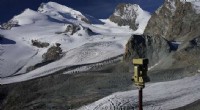
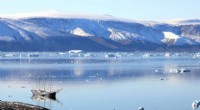
It's important to note that the specific pioneer species present in a glacial retreat will depend on factors like the climate, the specific geology, and the distance from other established ecosystems.