Natural Events:
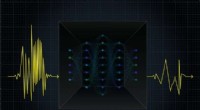
* Earthquakes: The most obvious way to feel the earth move. Earthquakes cause vibrations that travel through the ground, and depending on the strength, you can feel shaking, rolling, and even see the ground crack.
* Volcanic Eruptions: During an eruption, the movement of magma beneath the earth's surface can cause tremors and ground deformation.
* Landslides: Large-scale landslides can create a noticeable ground shift.
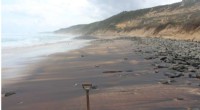
* Tidal Forces: The gravitational pull of the moon and sun creates tides, which cause subtle up and down movements of the earth's surface. This is most noticeable in coastal areas.
Human-Made Activities:
* Construction: Large construction projects, especially those involving blasting or excavation, can cause temporary vibrations that can be felt nearby.
* Heavy Machinery: The operation of heavy machinery, like bulldozers or excavators, can shake the ground in a localized area.
* Nuclear Explosions: While these are thankfully rare, nuclear explosions generate powerful shockwaves that can shake the earth over a large distance.
Other Factors:
* Your Perception: Our perception of the earth's movement can be influenced by factors like our location, the type of ground we are standing on, and our own sensitivity to vibrations.
It's important to note that:
* Most of the earth's movement is too subtle for us to feel, and most of the time, we are unaware of the constant, slow movements happening beneath our feet.
* The way you "feel" the earth move can be quite subjective, and what one person might feel as a gentle tremor, another might feel as a strong shaking.
Let me know if you would like to know more about any specific type of earth movement.