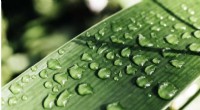
Grass
* Root System: Grass has a dense, fibrous root system that acts like a natural net, holding the soil together. This prevents the soil from being washed away by rain or blown away by wind.
* Ground Cover: Grass provides a protective layer over the soil, shielding it from the direct impact of raindrops. This reduces the force of water that could dislodge soil particles.
* Water Absorption: Grass roots absorb water effectively, minimizing runoff and allowing more water to penetrate the soil, which helps bind it together.
Flowers
* Similar to Grass: Many flowers also have strong root systems and provide ground cover, contributing to soil stabilization.
* Diversity: A variety of flowers can help create a diverse ecosystem, which can attract beneficial insects and other creatures that help with soil health.
Trees
* Deep Roots: Trees have extensive root systems that anchor them firmly to the ground, helping to stabilize slopes and prevent landslides.
* Canopy Cover: Tree canopies provide shade that reduces the impact of rain on the soil.
* Wind Breaks: Trees act as windbreaks, reducing wind speed and preventing wind erosion.
Here are some additional tips for using plants to prevent erosion:
* Choose native species: Native plants are well-adapted to the local climate and soil conditions, making them more resilient and effective at preventing erosion.
* Plant in layers: Combining grasses, flowers, and trees creates a layered effect, which maximizes soil stabilization and provides a diverse habitat.
* Mulch: Adding a layer of mulch around plants helps to retain moisture and prevent soil erosion.
* Proper watering: Consistent watering is essential to help establish a strong root system, but avoid overwatering, as this can lead to soil compaction.
By implementing these methods, you can create a thriving landscape that also helps protect the environment.