Here's how they relate:
Physical Geography provides the context for human geography:
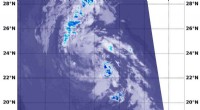
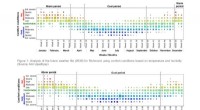
* Climate: Physical geography studies climate patterns, which influence human settlement, agriculture, and resource availability.
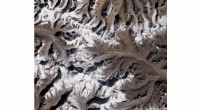
* Landforms: Mountains, rivers, and coastlines shape human societies. People adapt to these features, using them for transportation, resource extraction, and defense.
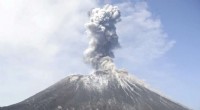
* Natural Hazards: Earthquakes, volcanic eruptions, and floods impact human populations and their infrastructure, influencing their vulnerability and adaptation strategies.
* Ecosystems: Physical geography studies ecosystems like forests, deserts, and oceans, which provide resources, habitat, and influence human livelihoods.
Human geography explores the impact of humans on the physical environment:
* Land Use: Human activities like agriculture, urbanization, and deforestation alter landscapes and ecosystems.
* Pollution: Human activities contribute to air, water, and soil pollution, impacting the physical environment.
* Climate Change: Human actions like burning fossil fuels contribute to global warming and climate change, with significant physical consequences.
Examples of how the two fields interact:
* Studying the relationship between population density and access to clean water in a region.
* Analyzing the impact of deforestation on rainfall patterns and soil erosion.
* Examining how climate change influences migration patterns and resource conflicts.
In summary:
Human geography and physical geography are interconnected and complement each other. Understanding how humans interact with and impact the physical environment is crucial for sustainable development and tackling global challenges.