Management:
* Planting and tending trees: This includes selecting the right species for the site, controlling pests and diseases, and thinning trees to promote healthy growth.
* Harvesting timber: This involves planning and executing sustainable harvesting practices to ensure the long-term health of the forest.
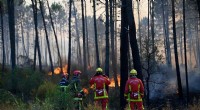
* Forest conservation: Protecting forests from threats like wildfire, pests, and disease, as well as promoting biodiversity and ecological integrity.
* Recreation and tourism: Managing forests for public access, such as hiking, camping, and wildlife viewing.
* Water management: Ensuring the forests' role in regulating water flows and maintaining water quality.
Other Aspects:
* Forestry science: Researching and understanding forest ecosystems and their interactions with the environment.
* Forest economics: Analyzing the costs and benefits of different forestry practices.
* Forest policy: Developing and implementing regulations and policies to ensure sustainable forest management.
* Education and outreach: Communicating the importance of forests and promoting sustainable forest management practices.
In short, forestry is about:
* Sustainability: Ensuring that forests are managed for long-term benefits for present and future generations.
* Multi-use: Balancing the needs of different stakeholders, including timber production, conservation, recreation, and economic development.
* Ecological balance: Maintaining the health and resilience of forest ecosystems.
Forestry plays a critical role in addressing global challenges like climate change, biodiversity loss, and poverty. It is a vital component of sustainable development and contributes to a healthy planet.