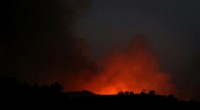
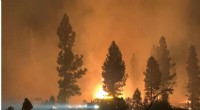
* Conservation and protection: Protecting forests from threats like fire, disease, insects, and climate change.
* Timber production: Managing forests for the sustainable harvesting of wood for various uses like lumber, paper, and fuel.
* Recreation and wildlife habitat: Providing opportunities for outdoor activities like hiking, camping, and hunting, while also maintaining habitats for diverse wildlife.
* Water and soil management: Protecting watersheds and ensuring healthy soil conditions.
* Carbon sequestration: Utilizing forests to absorb and store carbon dioxide from the atmosphere, helping to mitigate climate change.
Essentially, forestry involves understanding the complex interactions within forest ecosystems and applying this knowledge to ensure the long-term health and productivity of these valuable resources. It encompasses a wide range of practices, from planting trees to managing logging operations, and often involves balancing competing demands for forest resources.