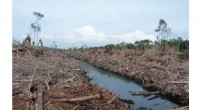
1. Deforestation: Mining operations often require clearing large areas of vegetation to access mineral deposits, leading to deforestation and habitat loss.
2. Landscape Alteration: Mining activities can drastically alter the natural landscape, creating open pits, waste rock piles, and tailing ponds that permanently change the topography of an area.
3. Soil Contamination: Mining activities often result in soil contamination from heavy metals, chemicals, and other pollutants, which can persist in the environment for extended periods and affect soil quality and fertility.
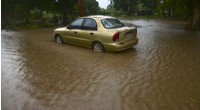
4. Water Pollution: Mining operations can generate wastewater containing harmful substances that contaminate nearby surface and groundwater sources, affecting aquatic ecosystems and water quality downstream.
5. Air Pollution: Mining activities, such as blasting and ore processing, can release dust and harmful pollutants into the atmosphere, contributing to air pollution and respiratory health issues.
6. Subsidence: Underground mining can cause land subsidence, resulting in the sinking of the ground surface above the mined area, which can damage infrastructure and buildings.
7. Biodiversity Loss: Mining activities often disrupt ecosystems and habitats, leading to a decline in biodiversity and ecological imbalances.
8. Soil Erosion: Mining activities can accelerate soil erosion due to the removal of vegetation and changes in land cover, increasing sediment loads in waterways and affecting water quality.
9. Desertification: Mining activities in arid and semi-arid regions can exacerbate desertification by altering water balances and reducing soil fertility, leading to the expansion of desert-like conditions.
10. Visual Impact: Mining operations often leave behind unsightly landscapes with waste materials, open pits, and disturbed vegetation, impacting the aesthetic value of the area.
11. Acid Mine Drainage: Mining activities can expose rocks containing sulfide minerals to air and water, resulting in the formation of acidic drainage that can contaminate water sources and harm aquatic life.
12. Health Risks: Mining activities can expose workers and nearby communities to hazardous materials and pollutants, increasing health risks and occupational hazards.
Overall, mining activities can cause significant land degradation, including soil contamination, water pollution, deforestation, and biodiversity loss. It is crucial to implement proper environmental management practices, land reclamation measures, and sustainable mining techniques to mitigate the negative impacts of mining on land and ecosystems.