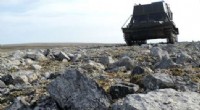
Mining and quarrying are essential activities for extracting valuable resources from the Earth's crust. These activities provide raw materials for various industries, including construction, manufacturing, and energy production. However, mining and quarrying can also have significant negative impacts on lives, man, and nature itself.
1. Environmental Impacts
- * Land degradation: Mining and quarrying operations can result in extensive land degradation, leaving behind large areas of unproductive and barren land. The removal of vegetation, excavation of soil, and deposition of waste materials can cause significant alterations to the natural landscape.*
- * Water pollution: Mining and quarrying activities can contaminate water sources with heavy metals, chemicals, and sediment. This can have adverse effects on aquatic ecosystems, drinking water supplies, and human health.*
- * Air pollution: Mining and quarrying operations can release harmful pollutants into the air, including dust, particulate matter, and toxic gases. These pollutants can contribute to respiratory illnesses, smog formation, and climate change.*
- * Biodiversity loss: Mining and quarrying can destroy natural habitats and displace wildlife, leading to biodiversity loss. This can disrupt ecosystem stability and have long-term ecological consequences.*
2. Social Impacts
- * Displacement of communities: Mining and quarrying operations can require large areas of land, which can lead to the displacement of local communities. This can result in loss of homes, livelihoods, and cultural heritage.*
- * Health impacts: Mining and quarrying activities can expose workers and nearby communities to hazardous substances, such as dust, chemicals, and heavy metals. This can lead to respiratory problems, skin diseases, and other health issues.*
- * Noise and vibration: Mining and quarrying operations can generate noise and vibrations that can be disruptive to nearby communities. This can affect sleep, relaxation, and overall quality of life.*
3. Economic Impacts
- * Job creation: Mining and quarrying activities can create jobs and boost local economies. However, these jobs are often temporary and may not provide sustainable livelihoods for local communities.*
- * Revenue generation: Mining and quarrying can generate revenue for governments through royalties, taxes, and fees. However, the benefits of this revenue must be weighed against the environmental and social costs of these activities.*
>*Dependence on non-renewable resources*:
Quarrying activities rely on non-renewable resources such as aggregate minerals and decorative stones which leads to the depletion of finite resources.
Overall, mining and quarrying can have significant negative impacts on lives, man, and nature itself. It is important to carefully assess and manage these impacts to ensure that the benefits of these activities outweigh the costs. Sustainable mining and quarrying practices, such as minimizing waste, restoring land, and engaging with local communities, can help mitigate these negative impacts and promote long-term environmental protection and social well-being.