1. Climate and Weather: Temperature, precipitation, humidity, wind, daylight, and other climatic conditions influence the survival and distribution of organisms.
2. Abiotic Factors: Non-living components like soil composition, water availability, pH levels, salinity, and pollutants shape ecosystems and affect species' abilities to thrive.
3. Biotic Factors: Living organisms in an environment, including plants, animals, and microorganisms, interact with each other through competition, predation, symbiosis, and other ecological relationships.
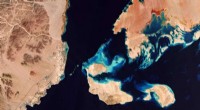
4. Geographical Features: Topography, altitude, bodies of water, and physical barriers influence environmental conditions and organismal distribution.
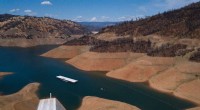
5. Natural Disasters: Events like floods, droughts, wildfires, volcanic eruptions, and earthquakes disrupt ecosystems and affect species' survival.
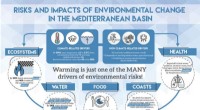
6. Human Activities: Human actions such as deforestation, urbanization, agriculture, pollution, and climate change have profound impacts on the environment and its inhabitants.
7. Resource Availability: The availability of essential resources such as food, water, sunlight, and minerals determines the carrying capacity of an environment for different species.
8. Habitat structure: The physical arrangement and composition of a habitat, including vegetation, shelter, and breeding sites, influences species' survival and reproductive success.
9. Interspecies interactions: The interactions among different species within an ecosystem, such as competition, predation, and mutualism, shape the dynamics and stability of the environment.
10. Disease and parasites: The presence of pathogens, diseases, and parasites can have significant impacts on the health and survival of species in an environment.
Understanding environmental factors is crucial in ecology, conservation biology, and environmental science as they determine the distribution, abundance, behavior, and adaptations of organisms in different ecosystems.