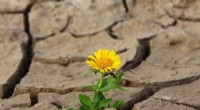
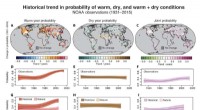
1. Water scarcity: Droughts severely limit water availability for human consumption, agriculture, industry, and ecosystems. Reduced precipitation leads to depleted water sources, such as rivers, lakes, reservoirs, and groundwater aquifers.
2. Agricultural losses: Droughts disrupt crop production and livestock farming. Lack of water for irrigation and reduced soil moisture result in crop failures, reduced yields, and increased susceptibility to pests and diseases. This leads to food shortages, economic losses for farmers, and increased food prices for consumers.
3. Ecosystem damage: Droughts stress and damage ecosystems, including forests, grasslands, and wetlands. Reduced water availability affects plant growth, increases the risk of wildfires, alters habitats, and disrupts food chains and ecosystems' balance.
4. Loss of biodiversity: Droughts can lead to habitat loss and fragmentation, which negatively impact biodiversity. Many plant and animal species struggle to survive without sufficient water and food. This causes population declines, loss of genetic diversity, and increased vulnerability to extinction.
5. Desertification: In some regions, prolonged droughts can contribute to desertification, the process of turning fertile land into desert. Overgrazing, deforestation, and unsustainable land management practices can exacerbate desertification during droughts.
6. Socio-economic impacts: Droughts have severe socio-economic consequences. They can lead to food insecurity, poverty, malnutrition, and increased health risks due to limited access to clean water. Rural communities heavily dependent on agriculture and natural resources are particularly vulnerable to the impacts of drought.
7. Water quality degradation: Droughts can reduce the flow of water in rivers and streams, leading to increased concentrations of pollutants and reduced oxygen levels. This affects aquatic ecosystems and the health of aquatic organisms.
8. Economic slowdown: Droughts can have a negative impact on economic growth, especially in regions heavily reliant on agriculture and water-intensive industries. Reduced agricultural yields, increased food prices, and the decline in water-related tourism can contribute to economic downturns.
9. Climate feedback: Droughts can also have feedback effects on climate. Drying vegetation and reduced water bodies release less moisture into the atmosphere, affecting cloud formation and regional rainfall patterns. This can contribute to the perpetuation of drought conditions.
10. Geopolitical tensions: Droughts can exacerbate geopolitical tensions, particularly in regions where water resources are shared among multiple countries. Competition for scarce water resources can lead to conflicts and disputes among nations.
Overall, droughts have a profound impact on the Earth, affecting water resources, ecosystems, agriculture, biodiversity, socio-economic conditions, and even global climate patterns. Effective drought management strategies, including water conservation, sustainable land use, and preparedness measures, are crucial to mitigate the impacts of droughts and build resilient communities.