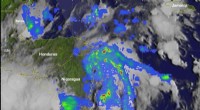
The atmosphere is the layer of gases that surrounds the Earth. It is composed of 78% nitrogen, 21% oxygen, and 1% other gases, including argon, carbon dioxide, and water vapor. The atmosphere is divided into five layers: the troposphere, stratosphere, mesosphere, thermosphere, and exosphere.
Biosphere
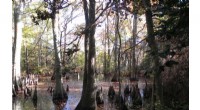
The biosphere is the part of the Earth where life exists. It includes all living things, from the smallest bacteria to the largest whales. The biosphere is divided into three main types of ecosystems: terrestrial ecosystems, aquatic ecosystems, and atmospheric ecosystems.
Interaction between the Atmosphere and Biosphere
The atmosphere and biosphere are closely linked. The atmosphere provides the oxygen that plants and animals need to breathe, and the biosphere releases gases into the atmosphere that help to regulate the Earth's climate.
The atmosphere also protects the Earth from harmful ultraviolet radiation from the sun. The ozone layer, a region of the stratosphere, absorbs most of this radiation, preventing it from reaching the Earth's surface.
The biosphere also helps to regulate the Earth's climate. Plants and animals release gases into the atmosphere that can trap heat, helping to keep the Earth's temperature stable.
The interaction between the atmosphere and biosphere is essential for life on Earth. Without the atmosphere, the Earth would be too hot and dry for life to exist. Without the biosphere, the atmosphere would not have the oxygen and other gases that life needs to survive.