In general, dust is composed of small particles of soil, pollen, and other organic matter that are suspended in the air. These particles can be easily carried by wind currents and can accumulate in certain areas.
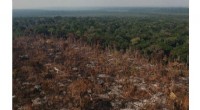
In hot environments, the air can hold more moisture, which can lead to higher humidity levels. Higher humidity levels can cause dust particles to clump together and become too heavy to remain suspended in the air, resulting in less dust. Additionally, hot environments often have increased vegetation, which can help trap and prevent dust from being dispersed.
On the other hand, cold environments, especially in arid or semi-arid regions, can have low humidity levels and sparse vegetation. This can result in increased dust generation due to the lack of moisture to weigh down dust particles and the absence of vegetation to act as a barrier against wind erosion. Strong winds in cold environments can also contribute to higher dust levels by picking up and transporting dust particles over long distances.
However, it's important to note that these are general observations and there can be exceptions to these trends based on specific local conditions and weather patterns.