1. Climate:
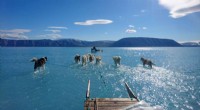
- Temperature: In colder climates, people tend to consume foods that provide more energy and keep them warm. These may include high-calorie foods, such as meats, fats, and carbohydrates. In warmer climates, people often prefer lighter foods, such as fruits, vegetables, and salads.
- Precipitation: Areas with abundant rainfall and water resources allow for the cultivation of a wider variety of crops, including grains, legumes, and vegetables. In contrast, dry regions may have limited agricultural options, leading to a more restricted diet based on drought-resistant crops.
2. Landforms:
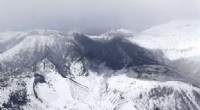
- Mountains: Mountainous regions often have limited arable land, making it challenging to grow certain crops. As a result, people living in mountainous areas may rely on livestock herding and dairy products for sustenance.
- Coastal Areas: Coastal regions provide access to fish, shellfish, and other marine resources, making seafood an important part of the local diet.
- Plains: Flat, fertile plains are ideal for agriculture, allowing for the cultivation of a diverse range of crops and supporting larger populations.
3. Clothing:
- Temperature: In cold climates, people wear insulating clothing made from materials such as wool, fur, and thick fabrics to retain heat. In warmer climates, people opt for lightweight, breathable clothing made from cotton, linen, and other natural fibers to keep cool.
- Precipitation: In rainy regions, people may wear waterproof clothing, such as raincoats, umbrellas, and boots, to protect themselves from getting wet. In dry climates, people may wear hats, sunglasses, and lightweight clothing to shield themselves from the sun and desert heat.
- Terrain: In rugged terrain, such as mountainous areas, people may wear sturdy footwear and clothing that allows for easy movement and protection from sharp objects.
Overall, the climate and landforms of a region can shape the availability of resources, influence dietary choices, and determine the appropriate clothing for comfort and protection in a specific environment.