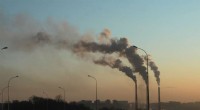
Radiocarbon dating is not well-suited for determining the age of a very tall old redwood tree living in a forest. Although this method is based on measuring the decay of radioactive carbon (carbon-14), it works best for organic materials younger than about 50,000 years, such as archaeological findings or fossils from the most recent geological period. Due to redwood tree longevity and the carbon sequestration process known as the Suess effect caused by industrial activities in modern times, radiocarbon dating often produces inaccurate age estimates for specimens that greatly exceed its effective dating range. For more extended dating needs in old environments like giant redwood ecosystems, researchers use techniques like dendrochronology (analyzing tree rings) to derive age information.