1. Air Pollution: Air pollution, primarily caused by the burning of fossil fuels, releases harmful pollutants like particulate matter, ozone, nitrogen dioxide, and sulfur dioxide into the atmosphere. These pollutants can cause respiratory illnesses, heart disease, and other health issues in humans, as well as damage ecosystems and contribute to climate change.
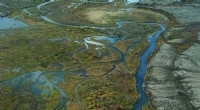
2. Water Pollution: Water pollution from industrial waste, agricultural runoff, sewage, and other sources contaminates water bodies, making them unsafe for drinking, swimming, and fishing. It can also harm aquatic life, disrupt ecosystems, and contribute to the spread of waterborne diseases.
3. Land Pollution: Land pollution occurs when hazardous substances or waste are improperly disposed of on land, contaminating soil and groundwater. This can cause health problems in humans, harm ecosystems, and reduce the productivity of land for agriculture.
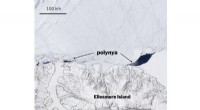
4. Climate Change: Pollution, especially greenhouse gas emissions from burning fossil fuels, contributes to climate change. Greenhouse gases like carbon dioxide, methane, and nitrous oxide trap heat in the atmosphere, leading to rising global temperatures, extreme weather events, melting ice caps, rising sea levels, and disruptions in ecosystems.
5. Biodiversity Loss: Pollution can lead to the loss of biodiversity by disrupting ecosystems and reducing the ability of species to adapt and survive. Pollutants can directly harm wildlife, alter habitats, and reduce the availability of resources like food and water.
6. Eutrophication: Excess nutrient pollution from fertilizers and sewage can cause eutrophication, an overgrowth of algae in water bodies. This can block sunlight, deplete oxygen, and harm aquatic ecosystems.
7. Ozone Depletion: Ozone-depleting substances, such as chlorofluorocarbons (CFCs) and halons, were widely used in refrigeration, aerosols, and foam-blowing agents, but their release into the atmosphere contributed to the thinning of the ozone layer, increasing the amount of harmful ultraviolet (UV) radiation reaching the Earth.
8. Plastic Pollution: Plastic waste is a significant environmental concern due to its slow degradation. It accumulates in oceans, harming marine life, and can also block waterways and cause flooding. Microplastics, tiny pieces of plastic that break down over time, can be ingested by organisms and potentially enter the human food chain.
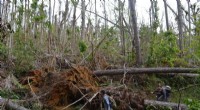
9. Deforestation: Deforestation can result from agricultural expansion, logging, and other human activities. It reduces the Earth's capacity to absorb carbon dioxide, exacerbates climate change, and negatively impacts ecosystems by reducing biodiversity and destroying wildlife habitats.
10. Fertilizer Runoff: Excessive use of fertilizers in agriculture can lead to runoff, polluting waterways and causing eutrophication. Fertilizer runoff can also contribute to the growth of harmful algal blooms, which can be toxic to aquatic life and humans.
Overall, pollution poses serious risks to environmental health, ecosystems, human well-being, and the overall sustainability of the planet. Addressing pollution is crucial for protecting and restoring the environment and ensuring a healthier and more sustainable future.