Here are some key aspects and characteristics of mosaics in landscape ecology:
Pattern and Heterogeneity: Mosaics are defined by the spatial arrangement and juxtaposition of different landscape elements or patches. The size, shape, and connectivity of these patches contribute to the overall heterogeneity and complexity of the landscape.
Ecological Interactions: Mosaics provide opportunities for ecological interactions and processes to occur across different habitat types. This spatial heterogeneity can influence species distributions, movement, resource utilization, and ecological processes such as pollination, seed dispersal, and predation.
Habitat Connectivity: Mosaics can facilitate habitat connectivity, allowing species to move between different patches or habitats. This connectivity is crucial for maintaining ecological processes, genetic diversity, and the long-term survival of species.
Edge Effects: Mosaics create edges between different landscape elements, which can lead to edge effects. Edge effects refer to the changes in environmental conditions and species composition that occur at the boundaries between contrasting habitat types. These edge effects can have both positive and negative impacts on species and ecological processes.
Disturbance and Succession: Mosaics can be influenced by natural disturbances (e.g., fire, flooding) or human activities (e.g., agriculture, urbanization). Disturbances can create new patches or alter the existing ones, leading to changes in the mosaic over time through ecological succession.
Examples of mosaics in landscape ecology include:
Forest-agricultural mosaics: Landscapes where natural forests are interspersed with agricultural fields or plantations.
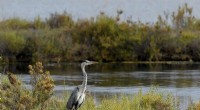
Wetland-upland mosaics: Areas where wetlands and upland habitats, such as forests or grasslands, coexist.
Urban-rural mosaics: Landscapes that combine urban areas with surrounding rural or agricultural areas.
The study of mosaics in landscape ecology helps ecologists understand the influence of spatial heterogeneity on ecological processes, species interactions, and the conservation and management of biodiversity in fragmented and changing landscapes.