1. How has the Earth's climate changed over time?
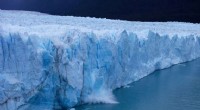
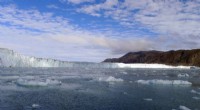
Ask about the different ice ages, periods of warming, and how these changes have affected the planet's ecosystems.
2. How have the Earth's tectonic plates moved over time?
Inquire about the formation of mountain ranges, the opening and closing of oceans, and the creation of new landmasses.
3. How has the Earth's atmosphere evolved?
Find out about the changing composition of the atmosphere, including the rise of oxygen and the decline of carbon dioxide.
4. How has the Earth's biosphere changed over time?
Ask about the evolution of life, including the emergence of new species, the extinction of others, and the development of complex ecosystems.
5. How have humans impacted the Earth?
Discuss the effects of human activities such as deforestation, pollution, and climate change on the planet's environment.
6. What are some of the biggest environmental challenges facing the Earth today?
Ask about issues such as global warming, biodiversity loss, and water scarcity, and what scientists are doing to address them.
7. What is the future of the Earth?
Explore possible scenarios for the planet's future, taking into account factors such as climate change, resource depletion, and technological advancements.
8. What are some of the most important things we can do to protect the Earth?
Ask about individual actions, as well as government and international policies, that can help mitigate the negative impacts of human activities on the environment.
Asking these questions can help you gain a deeper understanding of the Earth's complex history and the challenges it faces today. Always remember to approach the scientist with respect and be open to learning from their expertise.