Here are some reasons why not all of Earth's fresh water is readily available for human use:
* Salinity: Much of the Earth's fresh water is found in the oceans, which contain salt water. Salt water is not suitable for drinking or irrigation, and it requires a significant amount of energy and resources to desalinate it.
* Location: Some freshwater sources are located in remote or inaccessible areas, making it difficult to extract and transport the water.
* Pollution: Many freshwater sources are polluted by human activities, such as industrial waste, sewage, and agricultural runoff. This pollution can make the water unsafe to drink or use for other purposes.
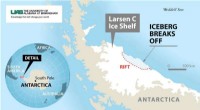
* Climate change: Climate change is affecting the availability and distribution of freshwater resources around the world. Rising temperatures are causing glaciers and snowpack to melt, which can lead to flooding and droughts. Changes in precipitation patterns can also affect the availability of freshwater resources.
As a result of these factors, only a small percentage of the Earth's water is readily available for human use. This water is found in lakes, rivers, aquifers, and other freshwater bodies. However, even these sources are not always reliable, as they can be affected by pollution, climate change, and other factors.
Given the limited availability of freshwater resources, it is important to use them wisely and conserve them for future generations.