1. Geographic Location: The mid latitudes are located between the tropics and the polar regions, where the Earth's curvature and tilt cause the angle of sunlight to vary significantly throughout the year. This variation in sunlight intensity results in seasonal temperature changes.
2. Influence of Westerlies: The mid latitudes are primarily influenced by the prevailing westerly winds, which carry air masses from west to east. These winds transport heat from lower latitudes to higher latitudes and vice versa, helping to moderate the temperature extremes.
3. Ocean Currents: Ocean currents play a crucial role in distributing heat around the globe. In the mid latitudes, warm ocean currents, such as the Gulf Stream in the North Atlantic, transport warm water from the tropics towards the polar regions. This influx of warm water helps to raise the temperatures in these areas.
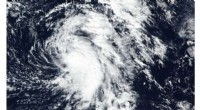
4. Air Pressure Systems: The mid latitudes are characterized by the interaction of different air pressure systems, including cyclones (low pressure areas) and anticyclones (high pressure areas). Cyclones bring cloudy, wet weather, while anticyclones bring clear skies and stable weather conditions. These alternating weather patterns contribute to the variability of the climate in the mid latitudes.
5. Altitude and Topography: Variations in altitude and topography also influence the climate in the mid latitudes. Higher elevations tend to be cooler than lower elevations due to the decrease in air pressure and density with increasing altitude. Mountain ranges can act as barriers, blocking the flow of air masses and creating distinct climatic regions.
6. Proximity to Large Bodies of Water: Coastal areas in the mid latitudes experience a milder climate due to the influence of the oceans, which have a higher heat capacity compared to land. This means that coastal regions tend to have less extreme temperature fluctuations throughout the year.
Overall, the temperate climate of the mid latitudes is a result of the combined effect of geographic location, prevailing wind patterns, ocean currents, air pressure systems, topography, and proximity to large bodies of water. These factors create a dynamic and variable climate with distinct seasons, moderate temperature ranges, and a mix of weather patterns.