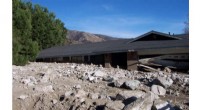
In terms of raw destructive power, fire is often considered to be the strongest element, as it can spread quickly and consume everything in its path. However, water can also be destructive if it causes flooding, landslides, or other natural disasters. Air can be destructive when it forms tornadoes or hurricanes, and earth can cause damage through earthquakes and landslides.
In terms of adaptability and versatility, air is often considered to be the strongest element, as it can take many forms (e.g., gas, liquid, plasma) and can be used for a wide variety of purposes. However, water is also adaptable and versatile, as it can be found in many different forms (e.g., liquid, ice, vapor) and can be used for a variety of purposes. Earth is also adaptable and versatile, as it can be used for building, farming, and other purposes. Fire is the least adaptable and versatile element, as it can only exist in a few forms (e.g., flame, plasma) and is limited in its uses.
In terms of spiritual or mystical significance, the different elements are often seen as representing different aspects of the human psyche or the divine. For example, fire is often associated with passion, energy, and transformation, while water is associated with emotions, intuition, and healing. Air is often associated with intellect, communication, and freedom, while earth is associated with stability, grounding, and practicality.
Ultimately, the "strength" of an element is a matter of perspective and depends on the specific criteria being used to measure strength.