1. Tropical rainforest: Found in the eastern part of the island, this ecosystem is characterized by dense vegetation, including tall trees, epiphytes, and ferns. The climate is warm and humid, with average temperatures around 25°C (77°F) and high levels of rainfall throughout the year.
2. Wetlands: These include swamps, marshes, and mangroves. Wetlands are found in many areas of Cuba, including the Zapata Peninsula and the Ciénaga de Zapata, one of the largest wetlands in the Caribbean. These areas support a diverse range of waterbirds, fish, and amphibians.
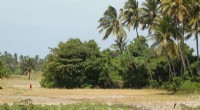
3. Savannas: Found in central and eastern Cuba, savannas consist of grasslands with scattered trees and shrubs. The climate is characterized by a wet season and a dry season, with average temperatures ranging from 20°C to 30°C (68°F to 86°F).
4. Coastal ecosystems: Cuba has extensive coastlines, including sandy beaches, mangrove swamps, and coral reefs. These ecosystems are home to a wide variety of marine life, including fish, sea turtles, and marine invertebrates.
5. Montane cloud forests: Found in the Sierra Maestra mountain range, these forests are characterized by a cool, humid climate and abundant cloud cover. The vegetation includes a variety of tree species, including palms, tree ferns, and epiphytes.
6. Semi-arid scrublands: Found in southern and western Cuba, these ecosystems are characterized by low rainfall and sparse vegetation. The climate is hot and dry, with average temperatures around 28°C (82°F). The vegetation consists of drought-resistant plants such as cacti and thorny shrubs.
In summary, Cuba's diverse ecosystems reflect the island's unique geography, climate, and geological history. These ecosystems support a wide range of plant and animal species and provide a variety of habitats for different species to thrive.