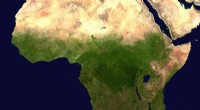
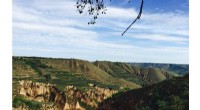
1. Latitude: The latitude of a location plays a crucial role in determining its climate. Areas closer to the equator, known as tropical regions, receive more direct sunlight and generally have warmer temperatures. As you move towards the poles, the amount of solar radiation decreases, leading to cooler temperatures in temperate and polar regions.
2. Altitude: Altitude, or elevation above sea level, affects climate significantly. As altitude increases, air becomes thinner, and temperatures tend to decrease. For every 1,000 meters of elevation gain, the temperature usually drops by about 6.4 degrees Celsius (3.6 degrees Fahrenheit). Mountainous regions, such as the Himalayas, exemplify this effect.
3. Distance from the Ocean: Proximity to large bodies of water, such as oceans, influences climate patterns. Coastal areas tend to have more moderate temperatures compared to inland regions. Oceans act as heat reservoirs, releasing moisture and warmth into the atmosphere, which can moderate temperatures and affect humidity levels. Coastal regions often experience milder winters and cooler summers than areas farther from the ocean.
4. Ocean Currents: Ocean currents transport warm or cold water across the globe, affecting the climate of nearby land areas. For example, the Gulf Stream, a warm ocean current in the Atlantic Ocean, brings warmer waters to the western coast of Europe, making the climate milder than it would be otherwise.
5. Atmospheric Circulation: Global wind patterns, such as the prevailing westerlies and trade winds, distribute heat and moisture around the globe. These wind patterns influence precipitation, temperature, and other weather patterns. For instance, areas along the path of the trade winds in the tropics often experience warm temperatures and consistent rainfall.
6. Topography: The physical features of a region, such as mountains, valleys, and plateaus, can impact local climate conditions. Mountains can act as barriers to air masses, creating rain shadow effects where one side of the mountain range receives abundant precipitation while the other side experiences drier conditions.
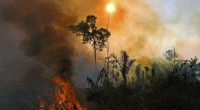
7. Vegetation: The presence or absence of vegetation can influence climate at the local level. Forests, for example, play a vital role in regulating temperature and humidity. Trees provide shade, release moisture through evapotranspiration, and influence wind patterns. Deforestation can disrupt these processes and lead to changes in local climate.
8. Urbanization: Urban areas often have distinct climate patterns compared to surrounding rural areas. Buildings, roads, and other infrastructure can absorb and release heat, creating an urban heat island effect. This effect leads to higher temperatures in urban centers and can influence local weather patterns.
By understanding these factors and their interactions, climatologists can analyze, predict, and model the climate of different regions around the world.